On this page
What do BPC-157 before-and-after reports describe?
The clearest personal reports describe less discomfort, easier movement, shorter post-training aches or reduced swelling. Some oral users also discuss digestive comfort. Their timelines range from changes within days to improvement over several weeks.
The useful comparison is a person's starting problem, the activity that changed and the date of the update. These selected public accounts are not reviews of the products featured on this site, and they cannot establish a typical response. A published human knee-pain report appears separately below.
Which changes were reported, and when?
| Starting situation | Reported change | Actual checkpoint |
|---|---|---|
| Recurring shoulder symptoms for 14 months | Shorter aches after training, better rotation and more comfortable pressing.1 | First clear change in week two; six-week course |
| Left-elbow pain and restricted movement | Range of motion returned, followed by a large reported reduction in pain.2 | Movement after week three; final report at six weeks |
| Knee swelling that came and went | Swelling settled while mobility work and exercise continued.3 | Change within days, described at three weeks |
| Persistent arm pain after a possible biceps or tendon injury | Pain-free curls during capsule use and progressive loading.4 | First change around week three; day-45 update |
| Digestive discomfort | Better gut comfort, with early fatigue and unexplained soreness also reported.5 | Two-month oral account; onset not specified |
| Arm symptoms and shoulder tightness | No perceived improvement from a BPC-157/TB-500 combination.7 | Six-week account |
A pain score, the ability to perform an exercise and an imaging result measure different things. The accounts below mainly document symptoms and activity, without independent confirmation that a tendon, cartilage or tear changed structurally.
Compare the BPC-157 product formats
The public experiences below concern different preparations. Use the product guides to compare the contents, delivery format and available documents.
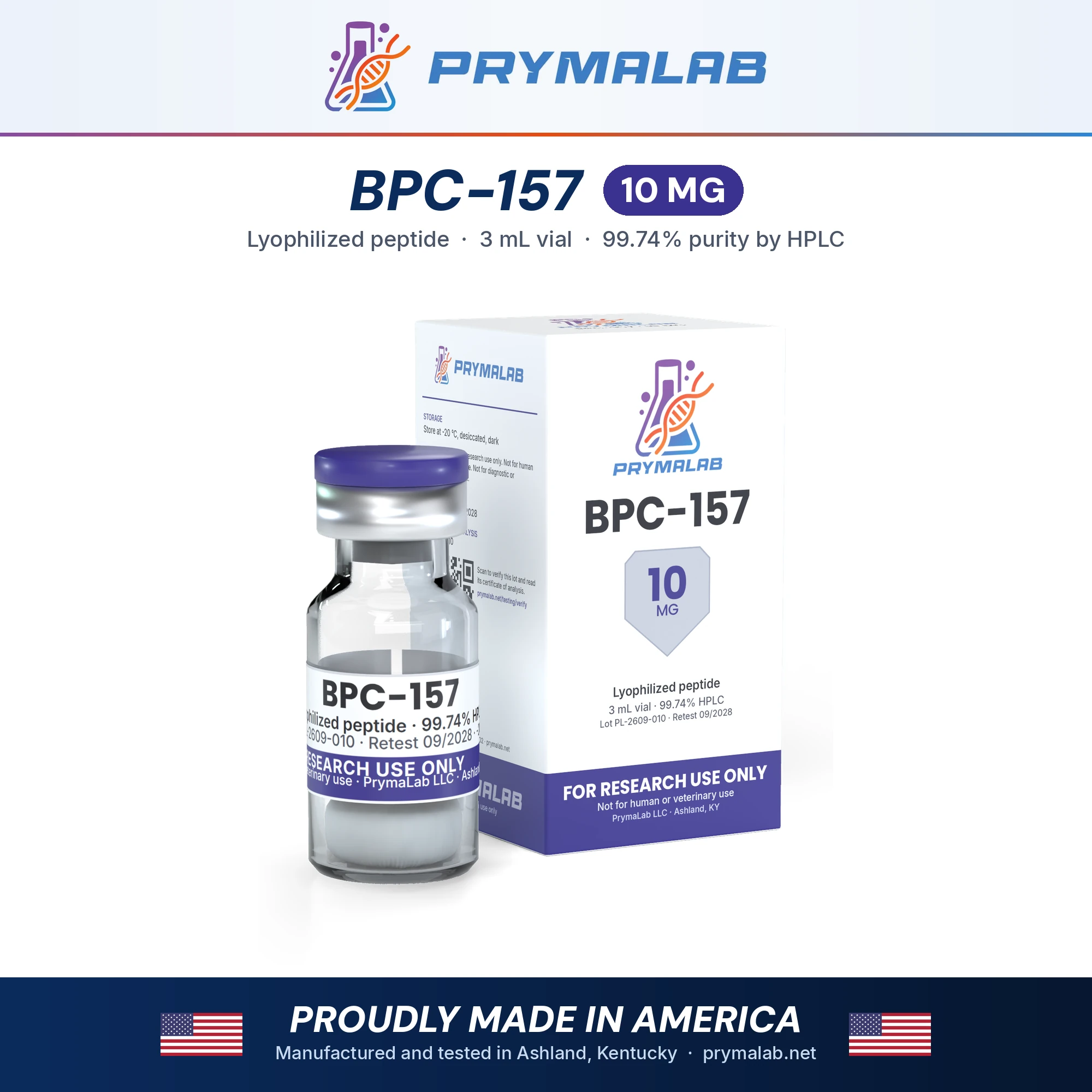
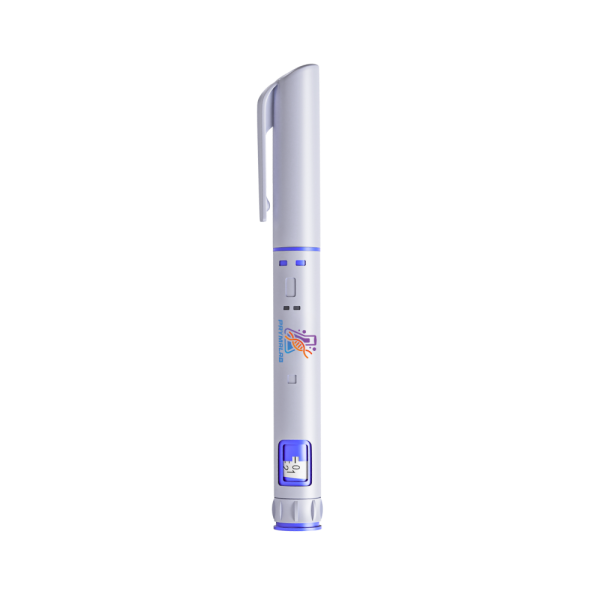
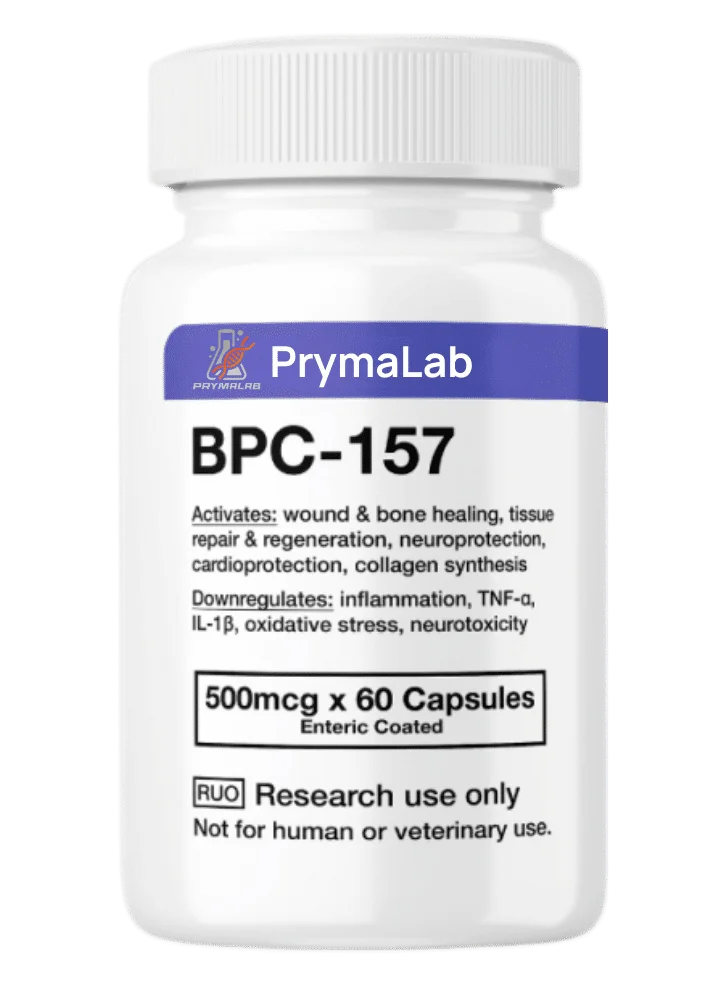
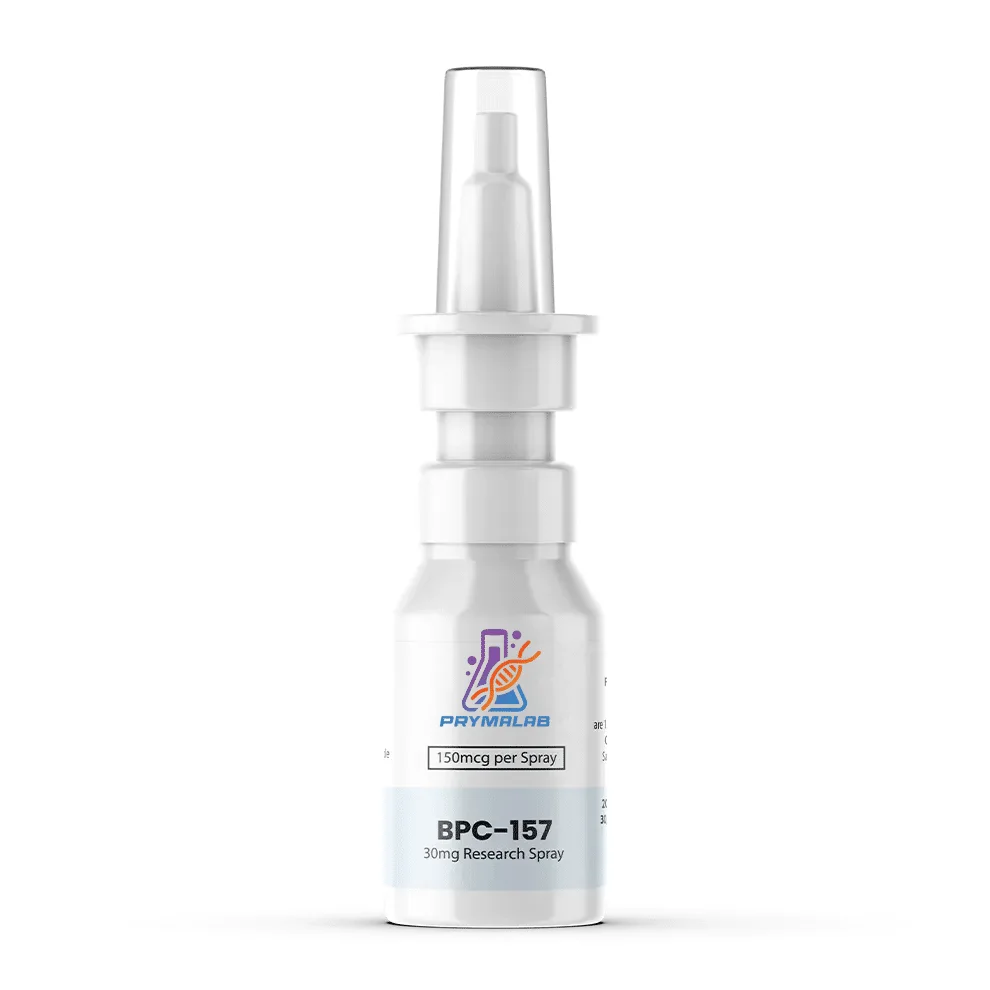
Public experiences are not reviews of these featured products.
Did shoulder pain improve immediately?
No clear first-week effect, then shorter aches
Six weeks of observationThe author had experienced recurring discomfort for 14 months and described a prior MRI showing mild supraspinatus tendinopathy. During week one, nothing clearly changed. In week two, aching after overhead work reportedly lasted about 24 hours instead of 48.
By week three, internal rotation felt easier and overhead-press pain was rated 2–3/10, down from 5–6/10. Moderate pressing became more comfortable during weeks four and five. The author also noticed a plateau beginning around the middle of week four.
At the six-week endpoint, resting pain was described as essentially gone, but loading the shoulder could still hurt. Mobility work and moderate training had continued throughout.1
This was partial functional recovery with distinct milestones: a shorter ache, easier rotation and later improved exercise tolerance. The final report did not describe a completely symptom-free shoulder under every load.
How long did the reported elbow improvement take?
Noticeable change at two to three weeks
February 12, 2024 accountA forum contributor described an initial six-week BPC-157-only course for left-elbow symptoms. Movement returned after week three; by week four, the elbow was described as almost pain-free. At six weeks, the author estimated a 95% pain reduction with full mobility.2
The same contributor later discussed a right-elbow and thumb problem, adding TB-500 partway through a different course. Combining the two stories would incorrectly turn the first BPC-only result into a stack result. Reported amounts and durations are recorded in the dosage guide; a similar schedule does not guarantee a similar recovery.
What did the three-week knee account actually show?
The writer reported that intermittent swelling settled within days. It had been recurring for roughly a month. The three-week update also described stretching, mobility exercises, treadmill activity and two 5 km runs.3
At that point the person was considering Wolverine. The change already described occurred during BPC-157-only use, before the proposed switch. It therefore provides no completed comparison between the single peptide and the combination.
The source did not document an examination or imaging explanation for the swelling. This personal observation is separate from the clinical knee-pain series, which used injections directly into the joint.
What did capsule and oral users say about recovery and digestion?
Arm pain: first changes around week three
Capsules · day 45One capsule account began with persistent arm pain despite a previous three-month gym break. A later comment placed the first improvement around week three. By the 45-day post, the writer reported curling 45 lb without pain and stopping the product.
High-repetition exercise and gradually increased loading were part of the same period. The writer called the injury healed; the observable claim was pain-free activity, without verified scans establishing a tear and its repair.4
Gut comfort: improvement alongside unwanted symptoms
Oral use · two monthsA different author described easier digestion and improved gut comfort. Early fatigue gradually eased, while muscle soreness of uncertain cause was also reported. The post did not identify exactly when the digestive benefit started or which oral formulation was used.5
The oral and capsule guide keeps those formulations separate. For the unwanted symptoms, the safety guide explains what a personal report can establish and which reactions have appeared in formal records.
Are four-, six- and eight-week results meaningfully different?
These sources contain several actual checkpoints, but they do not compare matched groups using different course lengths.
| Time mentioned | What was actually documented? | How to read it |
|---|---|---|
| Four weeks | Near absence of elbow pain; a shoulder improvement plateau beginning.12 | Both were checkpoints during longer accounts. |
| Six weeks | Completed shoulder and elbow reports described benefit. A separate combination report described none.7 | The same duration did not produce a uniform result. |
| Eight weeks | An oral diary planned eight weeks; its available entries ended at days 12–15.6 | A planned endpoint is not an observed result. |
The two-month digestive report is also not an exact day-56 assessment. There is no basis in these accounts for calculating how much better an eight-week course would work than a four-week one.
Can one symptom improve while another stays the same?
Yes, and a detailed diary makes that visible. An oral-use journal reported no clear change in week one. Later entries described easier hand use and arm improvement, while gastrointestinal symptoms remained unchanged. Knee discomfort increased after carrying luggage during the final available entry.6
A separate six-week BPC-157/TB-500 account described no improvement in elbow, forearm or wrist symptoms, shoulder tightness or perceived gym recovery. A back-pain episode also occurred during week four. The post does not establish why the combination did not appear to help.7
These experiences sit alongside the positive accounts. They cannot establish a failure rate, just as selected improvements cannot establish a success rate.
Were improvements still present after stopping?
Sometimes in these accounts, but the follow-up conditions matter. The shoulder writer described retained improvement nine weeks after the six-week course, with continued mobility work and moderate loading.1
Another oral user described manageable gut symptoms for the first two weeks off, then renewed urgency and cramping in weeks three and four. This was explicitly a non-capsule preparation. Returning symptoms do not by themselves establish withdrawal or a need for continuous use.9
The elbow contributor's later four-month update involved ongoing oral BPC-157 after a combination course. It was follow-up after a change in routine, not four months without any peptide exposure.2
How does the clinical knee report differ from online reviews?
The 2021 retrospective study identified 17 patients and reached 16. Of 12 receiving BPC-157 alone directly into the knee joint, 11 reported significant pain improvement. Three of four receiving BPC-157 with thymosin beta-4 reported improvement.8
Most injections occurred six to twelve months before the survey, with variable follow-up. There was no untreated comparison group or standardized assessment of function, stiffness and quality of life. Follow-up MRI confirmation of structural repair was not demonstrated.
These counts describe a small clinical series, not a product success rate. Its joint-injection setting does not test the featured capsule, spray or subcutaneous pen. The research guide explains where this observation fits alongside tissue-repair experiments.
How can you compare BPC-157 reviews without losing the useful detail?
Does a pain-free workout mean a tear has repaired?
It shows that the activity was more comfortable at that time. Structural repair is a separate finding. Check whether the original injury was diagnosed and whether follow-up imaging was supplied before accepting a claim about a healed tear.
Do these reports identify a better result from adding TB-500?
No fair comparison is possible across these different people, symptoms and routines. The Wolverine guide covers the combination research and reported schedules separately.
Which details are useful to record for a clinician?
Use dates, starting symptoms, a familiar movement, discomfort during activity, next-day soreness and swelling. Add changes in rehabilitation, medicines, training and other products. Record unwanted effects alongside improvements so the timeline stays complete.
Can a convincing story tell me which product to buy?
A story cannot verify a batch's contents or predict another person's outcome. The format and buying comparison covers labeled quantities; the quality-testing guide explains what the original batch documents measure.
Sources for these reported results
- Six-week shoulder account with nine-week post-course follow-up. Reddit; first-person report.
- Elbow recovery and subsequent combination-course account. AnabolicMinds, February 12, 2024.
- Three-week knee-comfort and swelling account. Reddit; first-person report.
- Capsule-use account describing arm recovery at day 45. Reddit; first-person report and follow-up comments.
- Two-month oral account: gut comfort, fatigue and soreness. Reddit; first-person report.
- Oral-use diary with entries through days 12–15. Reddit; June–July 2025.
- BPC-157/TB-500 account reporting no improvement at six weeks. Reddit; first-person report.
- Lee & Padgett — Intra-articular BPC-157 for knee pain. Alternative Therapies in Health and Medicine, 2021.
- Oral gut-health account after four weeks off. Reddit; first-person report using a non-capsule preparation.